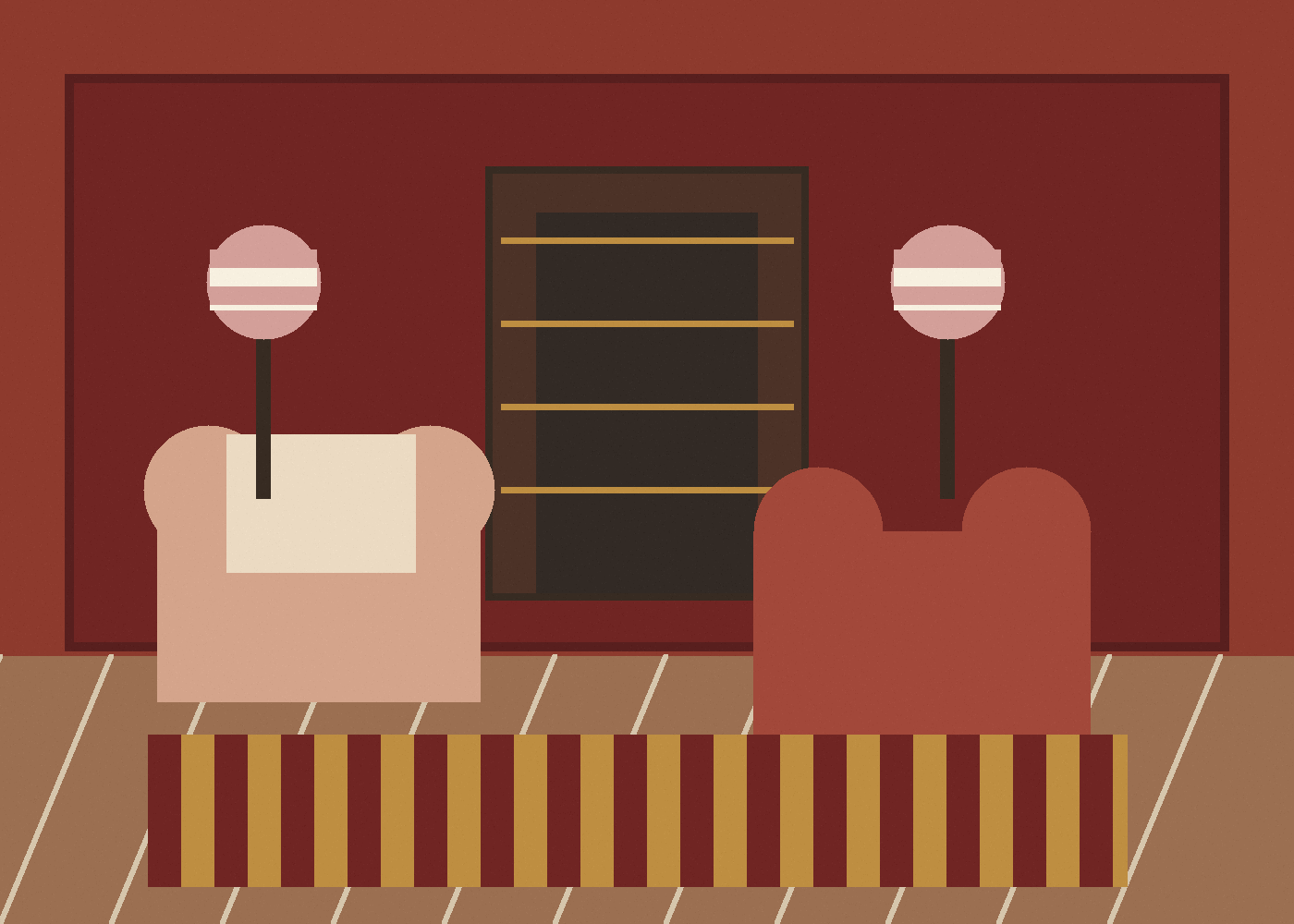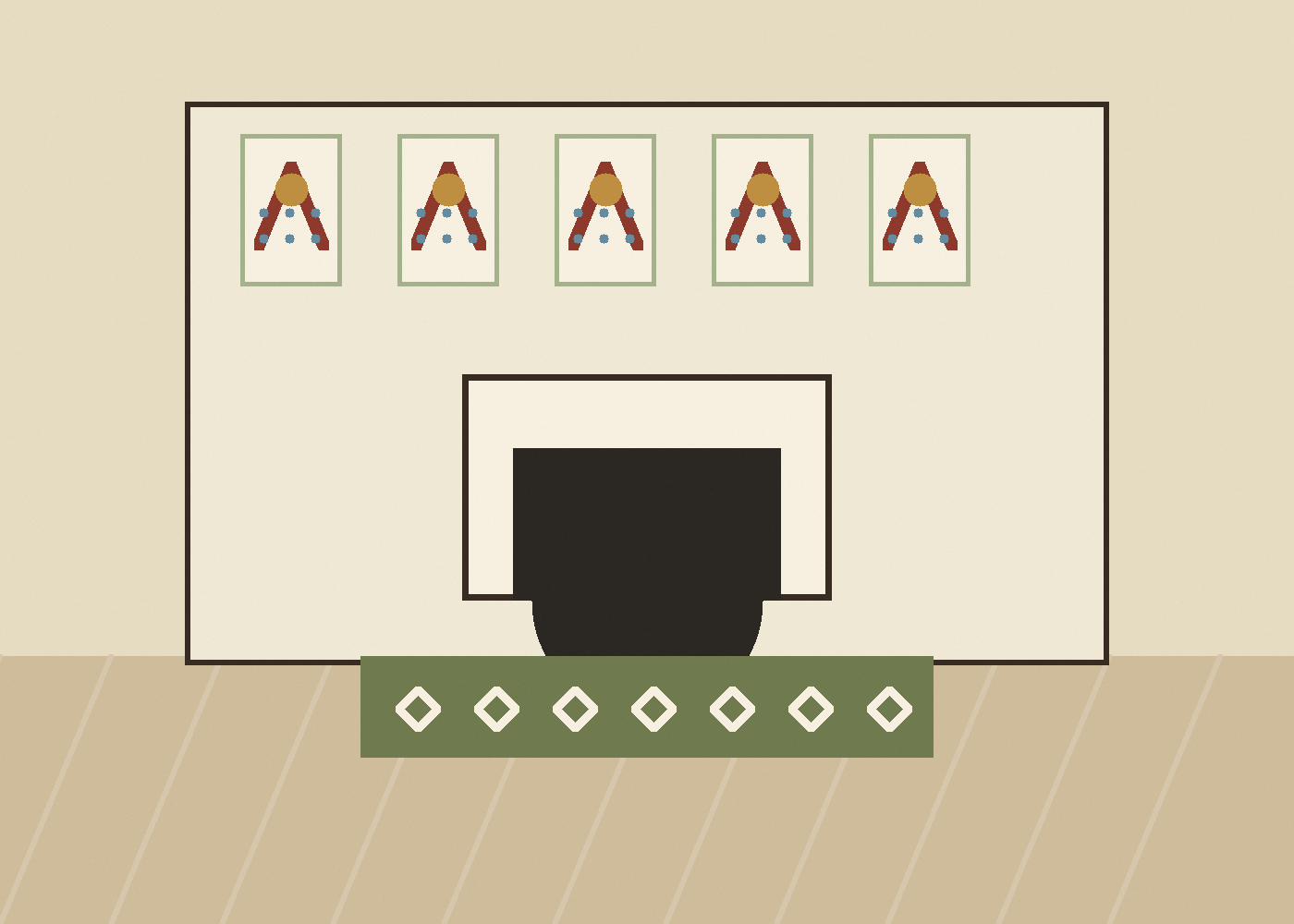
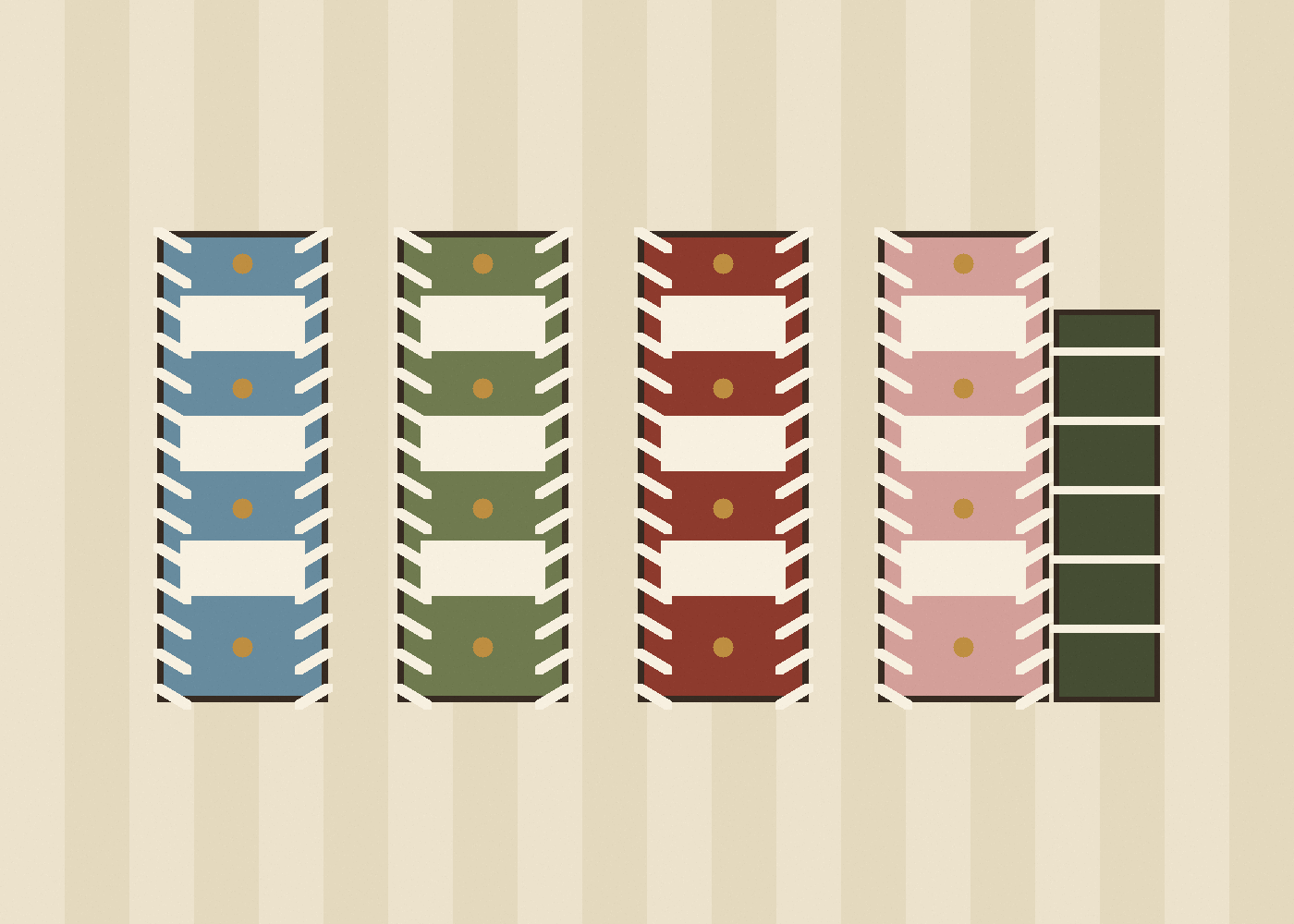
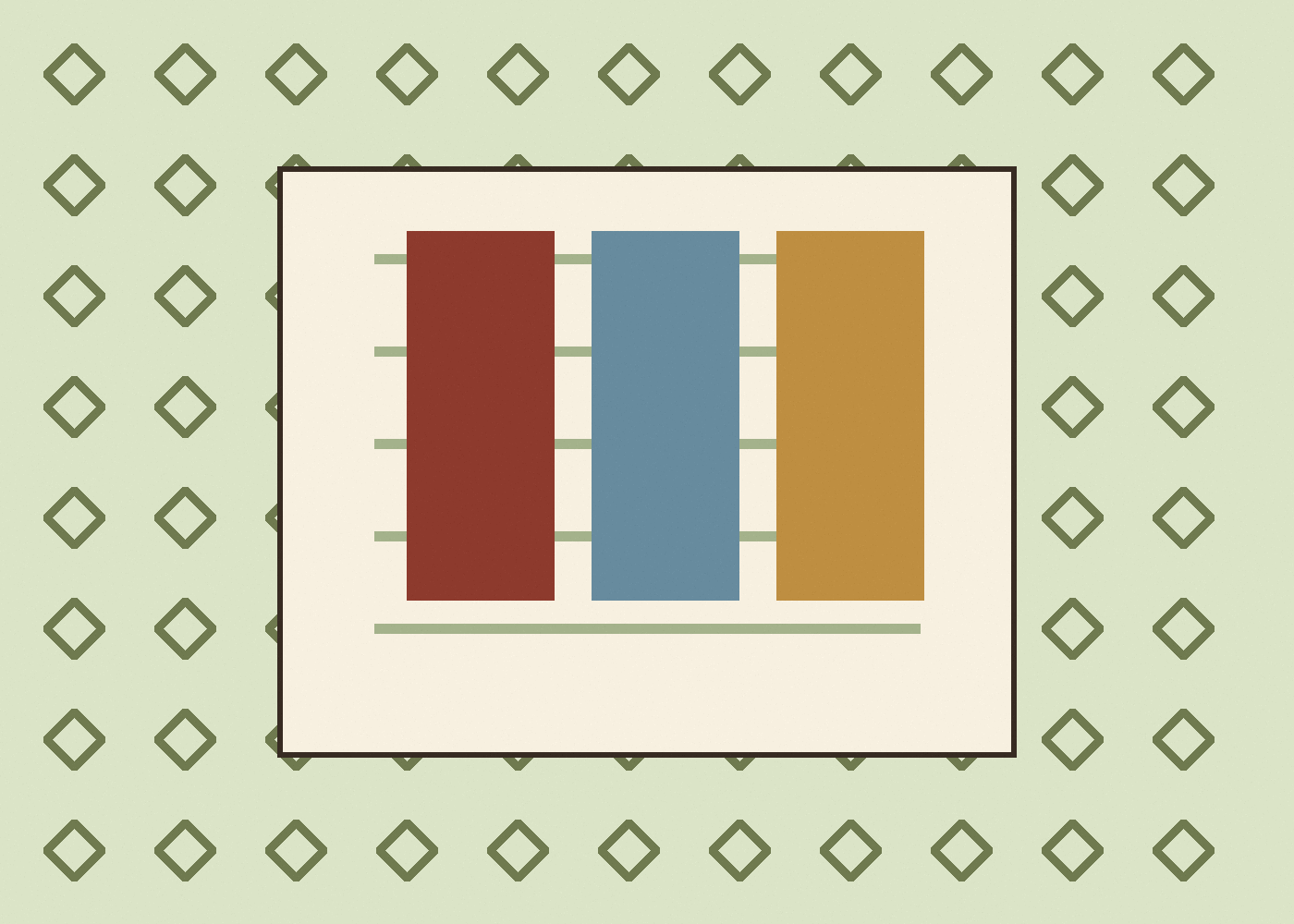
Folk detail is most useful when it reads as hand, place and rhythm rather than theme. A painted flower, a woven stripe, a carved edge or a border around a shelf can add human scale to a room that might otherwise feel too smooth.
The important thing is not to make the room perform a style. One detail, well placed, can carry more atmosphere than an entire set of matching references.
The detail should feel discovered, not staged.
Detail to practical use
- Detail: a painted flower, woven stripe, carved edge or small border.
- Design effect: human scale and rhythm in a room that might otherwise feel too smooth.
- Context: folk detail, craft and handmade imperfection used as reference, not costume.
- Practical use: attach the motif to a useful object or architectural edge.
What to notice
- A small repeat can soften architecture without covering it.
- Handmade imperfection is part of the visual value, especially near plain surfaces.
- Modern furniture keeps folk detail from becoming costume.
The detail that matters
The most successful folk detail usually sits near a point of use: a chair back, a cushion, a fire surround, a cabinet door, a lampshade. It works because the decoration is attached to something practical.
That practical anchor is what keeps the reference alive. The motif is not nostalgia; it is a small act of attention.
Credits and links
- Main image: Studio Elwick visual study.