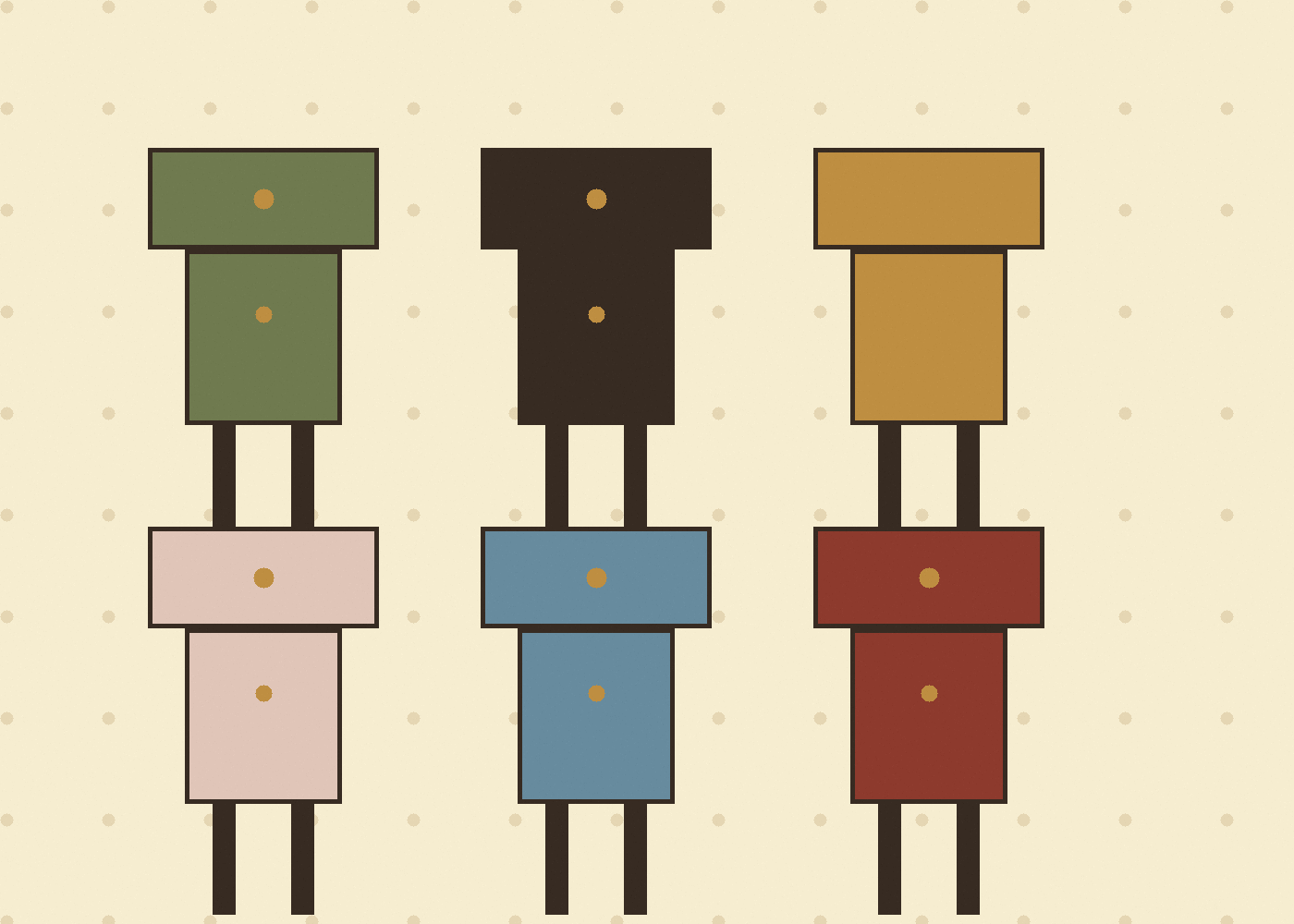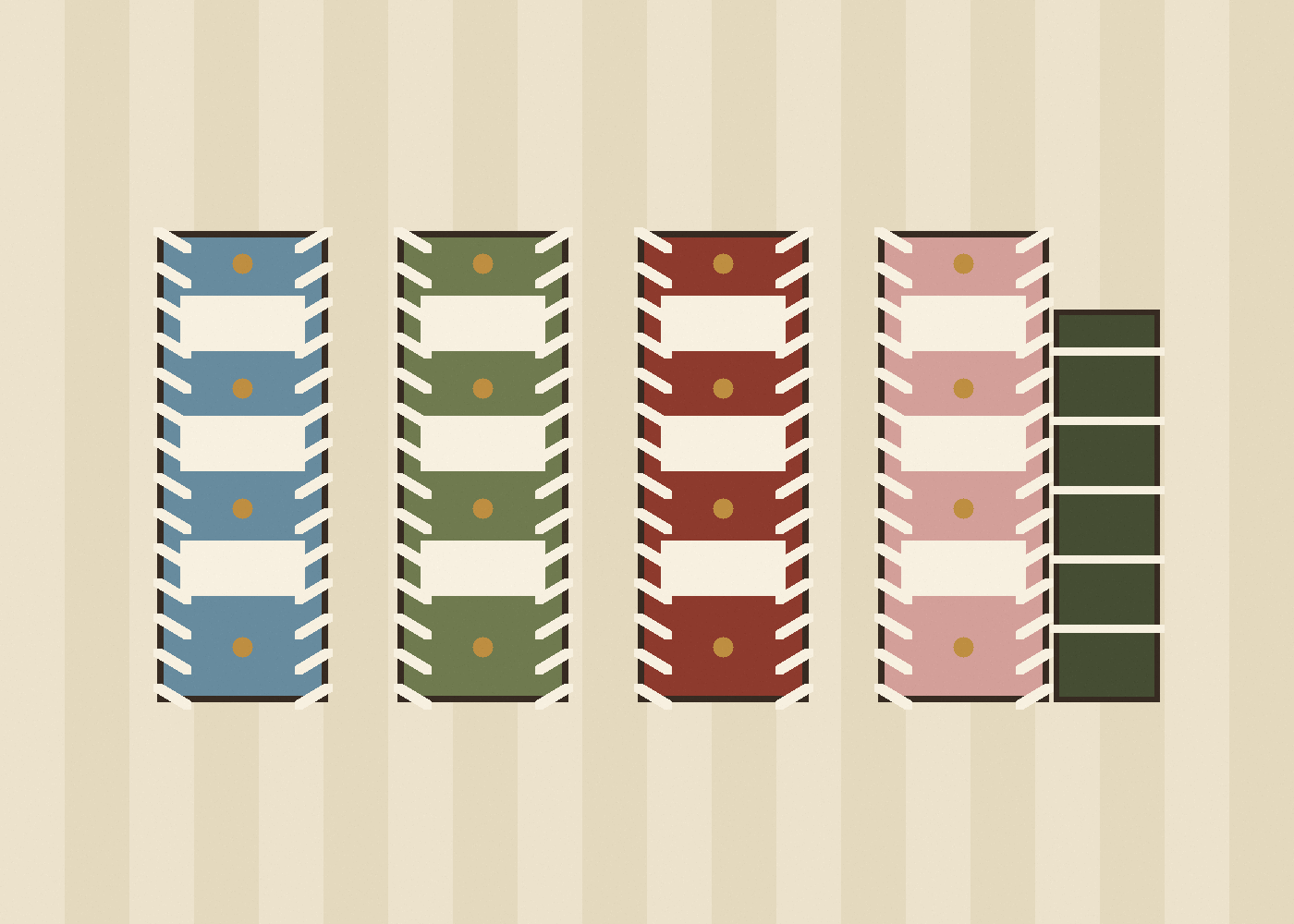
Passementerie can look ornamental, but the useful version is structural. It draws a line, weights an edge, softens a corner or makes upholstery feel resolved.
Passementerie works best when it gives the furniture a clearer outline.
Detail to practical use
- Detail: braid, cord, fringe or tape applied to an edge.
- Design effect: clearer outline, better proportion and a more finished object.
- Context: upholstery, textile history and the maker's hand, used lightly.
- Practical use: add trim where a piece needs definition, weight or transition.
What to notice
- Trim can behave like architecture in miniature.
- Scale matters: a heavy braid changes the reading of a small chair.
- Colour should connect to the room rather than sit as novelty.
The detail that matters
The line between decorative excess and useful finish is often scale. A narrow braid can sharpen a loose edge; a heavier cord can give a footstool presence; fringe can soften a hard object without disguising its shape.
Practical ways to use it now
Use a narrow trim on cushions, lampshades or a chair skirt if the room needs detail without bulk. Use a heavier cord on an ottoman, stool or upholstered edge when the piece needs more weight. Match the trim to one existing colour in the room rather than introducing a new note.
Credits and links
- Main image: Studio Elwick visual study.